

The Cost of Staying Comfortable
The most expensive choice you can make is sometimes the one that feels the safest. Staying where you are. Postponing the difficult decision. Comfort doesn't always feel like a cost — but every time you choose the familiar, you're also choosing not to build what comes next.
Executive Presence Starts From Within.
You cannot build executive presence by learning how to look like a leader. You can refine your communication, your body language, and your confidence, but none of these, on their own, create it. Because executive presence isn't something you perform. It's something you develop from within.
The Hardest Business Decision Is Knowing When to Say No.
Every opportunity in business can look attractive. But resources are finite — time, people, attention, leadership capacity. Strategy isn't about pursuing every opportunity. It's about choosing which ones deserve your resources, and having the discipline to protect everything else.
Clarity Comes Before Growth
Most people believe growth comes from doing more: more work, more learning, more action. But the biggest obstacle to growth is rarely a lack of effort. It is a lack of clarity. Because without it, even the hardest work can take you in the wrong direction.

Your Career Is Your Biggest Investment.
Most professionals manage their careers like a to-do list — complete the task, reach the milestone, move to the next role. But the most successful professionals think differently. They treat their career as an asset, and every skill, relationship, and opportunity as a deliberate investment in long-term value.
The Dream Job Isn't the Goal. Meaningful Work Is.
The Dream Job Isn't the Goal. Meaningful Work Is. Instead of asking: "What's my dream job?" A better question is: "What kind of problems do I want to spend my career solving?"
You're Not Underpaid. You're Undervalued. (And There's a Difference.)
Many talented professionals create incredible value every day, yet remain overlooked. The problem is rarely a lack of ability. It's a lack of visibility. Because in today's workplace, opportunities don't only go to the most capable professional; they go to the one whose value is easiest to understand.
Being Busy Is No Longer Impressive
There was a time when a packed calendar felt like proof of success. But the most valuable professionals are rarely the busiest — they are the clearest. Creating real impact requires something most of us struggle to protect: time to think.
AI Is Redefining the High Performer
AI can already write, analyse, summarise, and automate — fast enough to transform how work gets done. So what makes a high performer truly valuable now? The competitive advantage is shifting from execution to something far harder to replicate: strategic thinking, clarity, and the ability to lead through uncertainty.
Companies That Thrive Understand People, Not Just Performance (Even in the Age of AI)
AI can automate reports, streamline operations, and accelerate execution — but it cannot create clarity, build trust, or fix disengagement. In the age of AI, the real limiting factor in every organization is still people. The companies that understand this will not just keep up — they will set the pace.
Execution Without Direction Is What Keeps Your Career Stuck
You're productive, reliable, and always delivering — yet something still feels off. The problem isn't your effort. It's that execution without direction doesn't build a career; it builds momentum in the wrong one.
Modern Careers Require More Than Hard Work
For years, professional success followed a simple formula: work hard, deliver results, be reliable. But modern careers have become far more complex. The professionals who grow in the long term are not always the hardest workers, but they are the most strategic.

The Power of Never Stopping Learning
Expertise alone is no longer enough to guarantee long-term career success. As industries, technologies, and leadership expectations evolve rapidly, the professionals who remain valuable are those who continue to learn, adapt, and rethink how they work. This article explores why continuous learning has become one of the most important professional skills of all.
The Execution Gap: Why Smart People Fail to Become Action
The greatest challenge in modern work is often not strategy or intelligence; it’s execution. This article explores the hidden gap between thinking and action, why perfectionism and over-analysis slow progress, and how organisations can design systems that turn clarity into consistent execution.

You’re Not Underperforming. You’re Misaligned
Many professionals believe they need to work harder, improve more, or prove themselves further. Yet the real challenge is often not performance but alignment. This article explores why capable people can feel stuck despite delivering consistently, and how understanding organisational priorities, decision-making, and timing can turn effort into meaningful impact.
You Don’t Need More Options. You Need Constraints.
Many professionals believe they need more opportunities, more flexibility, or more options to move forward. In reality, too many choices often create indecision. This article explores why constraints are a powerful tool for clarity, focus, and action, and how eliminating options can accelerate growth and better decision-making.

Professionals Who Think in Systems Win
Technical skills and strong performance are no longer enough to create lasting impact. As organisations become more complex, professionals who understand systems, influence, and context are the ones who stand out. This article explores why system thinking has become a critical capability for career growth and leadership success.
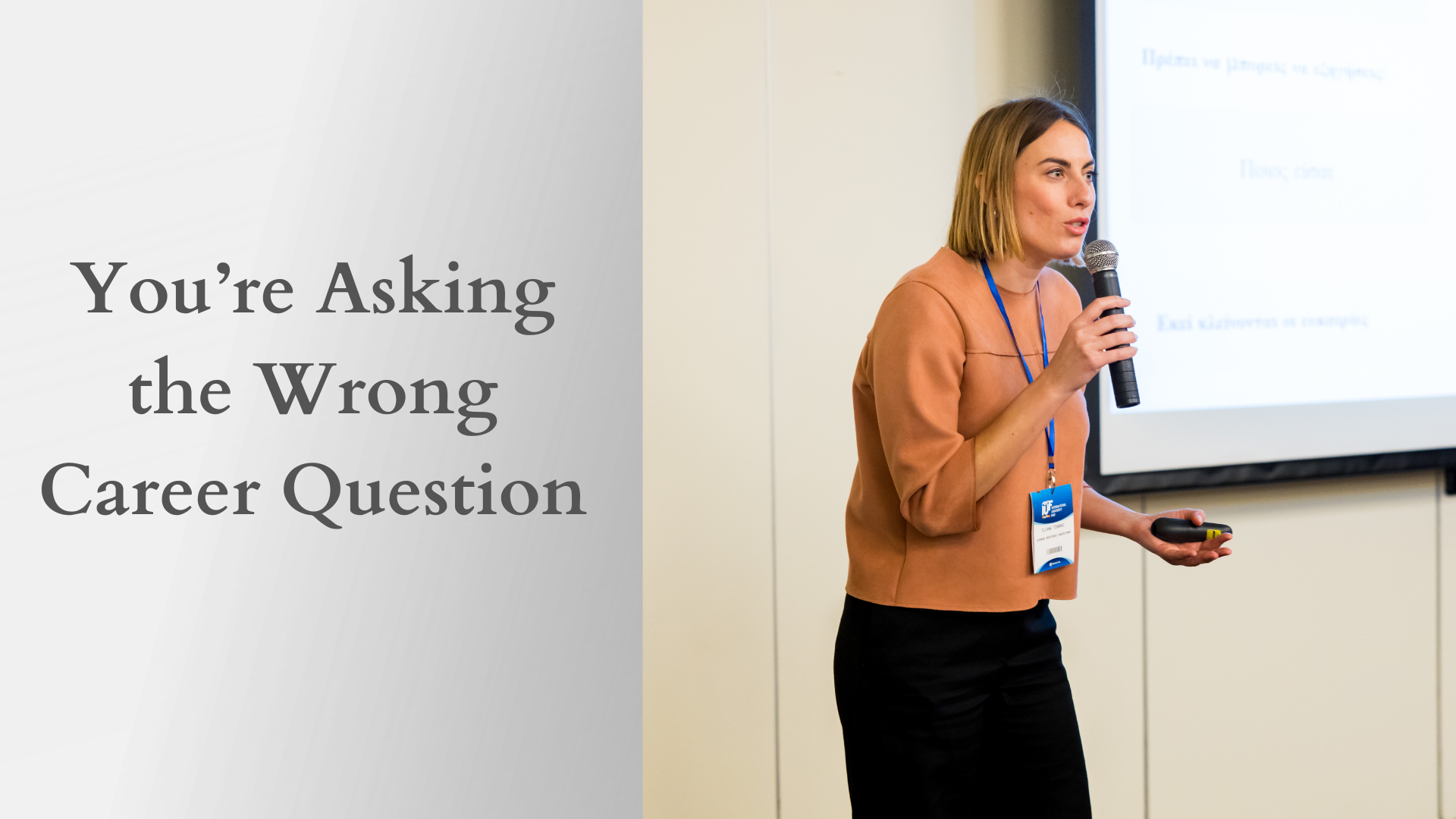
You’re Asking the Wrong Career Question
Most people search for career clarity by focusing on what comes next. But meaningful career direction often comes from looking backwards. This article explores how identifying patterns in your most energising and successful experiences can reveal the work, environments, and responsibilities that fit you best.

You Don’t Lack Strategic Thinking. You Struggle With Decision-Making.
Many professionals believe they need more strategic thinking when, in reality, they need better decision-making. This article explores why overthinking creates the illusion of progress, how clarity emerges through action, and why the decisions you avoid often shape your future more than the ones you make.

Organisations Run on Invisible Trade-offs
Organisations may appear structured on the surface, but their success often depends on navigating invisible trade-offs, competing priorities, and ongoing negotiations. This article explores why alignment is never permanent and how leaders can build clarity, manage tension, and drive progress in complex environments.